

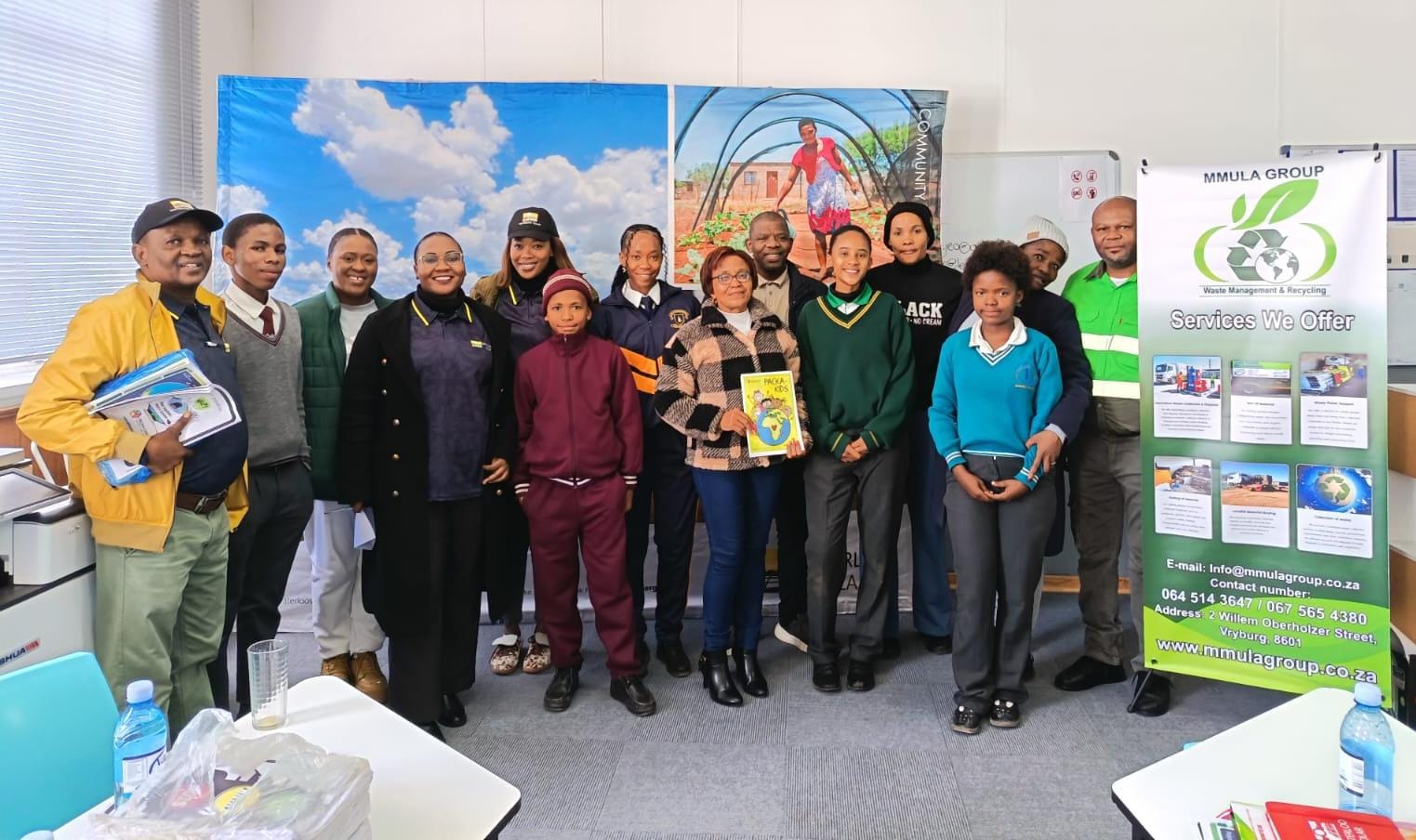
RECYCLING PROGRAMME HELPS LOCAL SCHOOLS TURN WASTE INTO INCOME
Five local schools within the Naledi Local Municipality are generating additional income and cleaner learning environments through a newly launched recycling programme. The programme aims to turn everyday waste into a practical resource for education and environmental awareness.
The initiative encourages learners, educators, and community members to collect recyclable materials including paper, glass, plastic, cans, food waste, and e-waste, which are then sorted, weighed, and paid for through an approved cashless payment system.
Funded by Waterloo Solar, the initiative was launched earlier this year, rolling it out across three primary schools, namely Thuto Lesedi Primary School, Floradene Primary School, and Saruchera Primary School, and two high schools, John Frylinck High School and Pule Leeuw High School.
“Through this programme, we hope to create environmentally conscious learners who can become ambassadors for sustainable practices within their communities, aiming to instill a culture of environmental awareness among learners and the communities at large since learners are encouraged to take this knowledge home. The programme is also expected to contribute to cleaner school and community environments, reduce waste, and generate supplementary income for participating schools,” explained Kebapetse Dipitse, Social Performance Practitioner for Waterloo Solar.
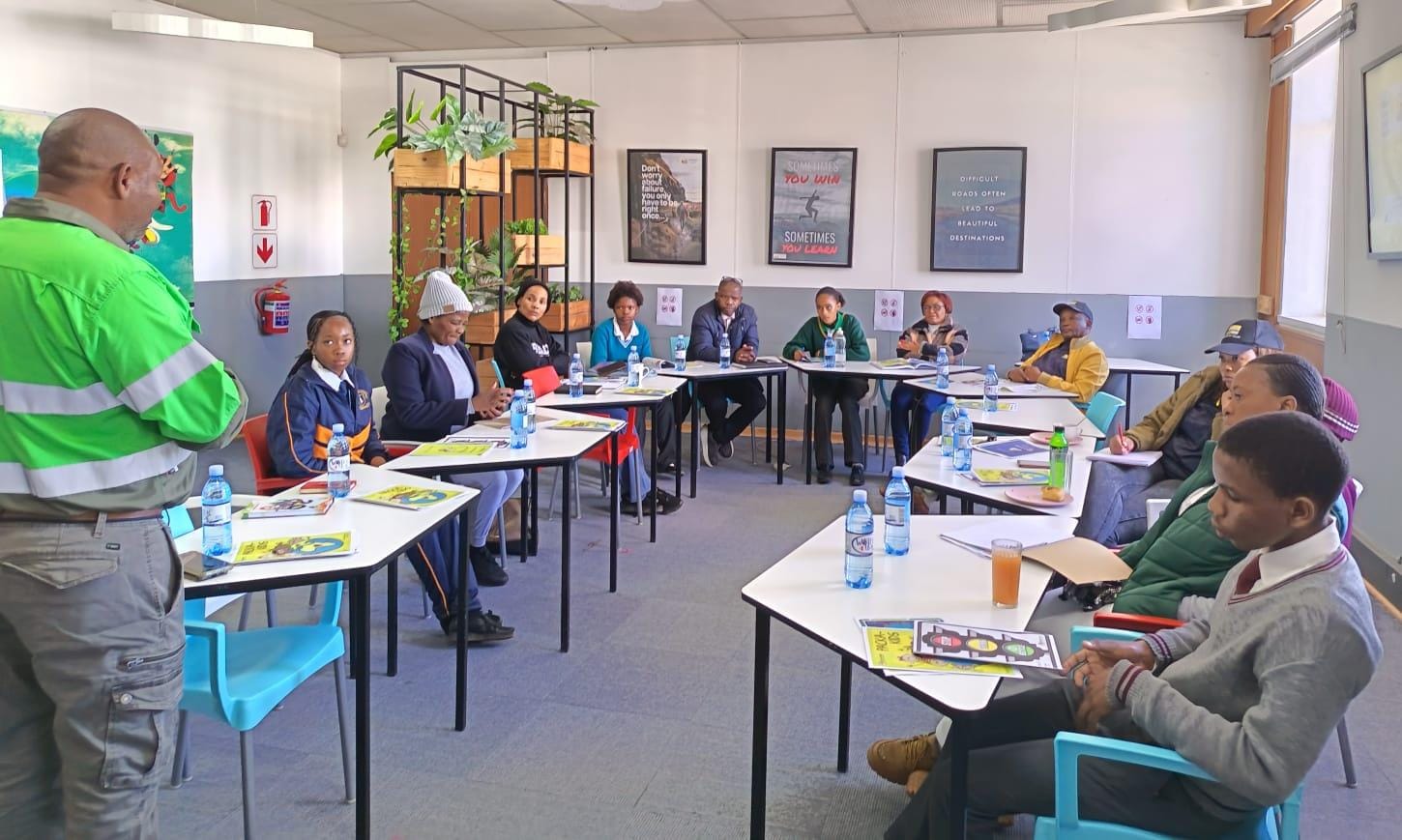
The programme is implemented in partnership with Mmula Group, which operates the waste collection and payment process, and Leaba Consulting, which facilitates communication and coordination between all parties. Income generated through waste collection is redirected towards each school’s educational resources and operational needs, providing a practical financial cushion in environments where budgets are often stretched.
The initiative directly addresses longstanding challenges faced by local schools. The build-up of recyclable waste such as paper and plastic has contributed to littering, while also representing missed opportunities to unlock value from discarded materials. At the same time, limited budgets have made it difficult for schools to cover certain activities and operational costs. This recycling programme offers a practical, community-driven solution to both.
“We are very excited about the Recycling Programme and the positive impact it can have on our learners, our school and the environment. While we are still in the early stages, the programme presents a valuable opportunity to teach learners about recycling, responsibility and caring for their environment. We look forward to growing with the programme and seeing the difference it can make in our school and wider community,” said Carla Cronje, Floradene Primary School.
Designed to run over one year, the programme equips schools with the knowledge needed to sustain recycling efforts independently beyond that initial phase, allowing them to continue generating income and fostering a culture of environmental responsibility.


