EMERGING FARMERS RECEIVE MULTI-YEAR BACKING AS DEVELOPMENT PROGRAMME LAUNCHES
 Boshof, Free State – 9 November 2026
The difference between a family surviving a drought year and a farm folding for good often comes down to receiving well researched support at the right time. Grounded in a baseline study of the area, an emerging farmer’s development programme is backing 12 small-scale farmers across the Boshof region — with farm sizes ranging from roughly 350 to 1,658 hectares — to build the kind of resilience, productivity and intergenerational continuity that turns a struggling farm into a lasting local business.
Funded by Boshof Solar Power the programme aims to strengthen the long-term productivity, sustainability and economic participation of these farmers through mentorship, livestock recapitalisation, water infrastructure, animal handling facilities, and business and financial management training.
“The farmers face real headwinds — drought, limited access to finance, and rising production costs — but the report highlights strong farmer commitment and resilience despite these conditions, and points to a solid foundation for continued development, including available grazing resources, strong family involvement, and identified successors. Eleven of the twelve farmers have identified a family member as a successor, a strong intergenerational thread running through the programme,” said Harrisinah Theka, Enterprise Development Manager at Boshof Solar Power.
The study found mentorship to be the single most important intervention for unlocking sustainable farming practices and long-term economic participation, alongside a clear need for infrastructure development. While a handful of farmers have achieved diversification successes, others have experienced herd or flock declines since 2024, linked to drought, financing constraints and infrastructure gaps — a pattern the report frames as expected at this stage of a multi-year programme, with clear next steps identified for every farmer involved.
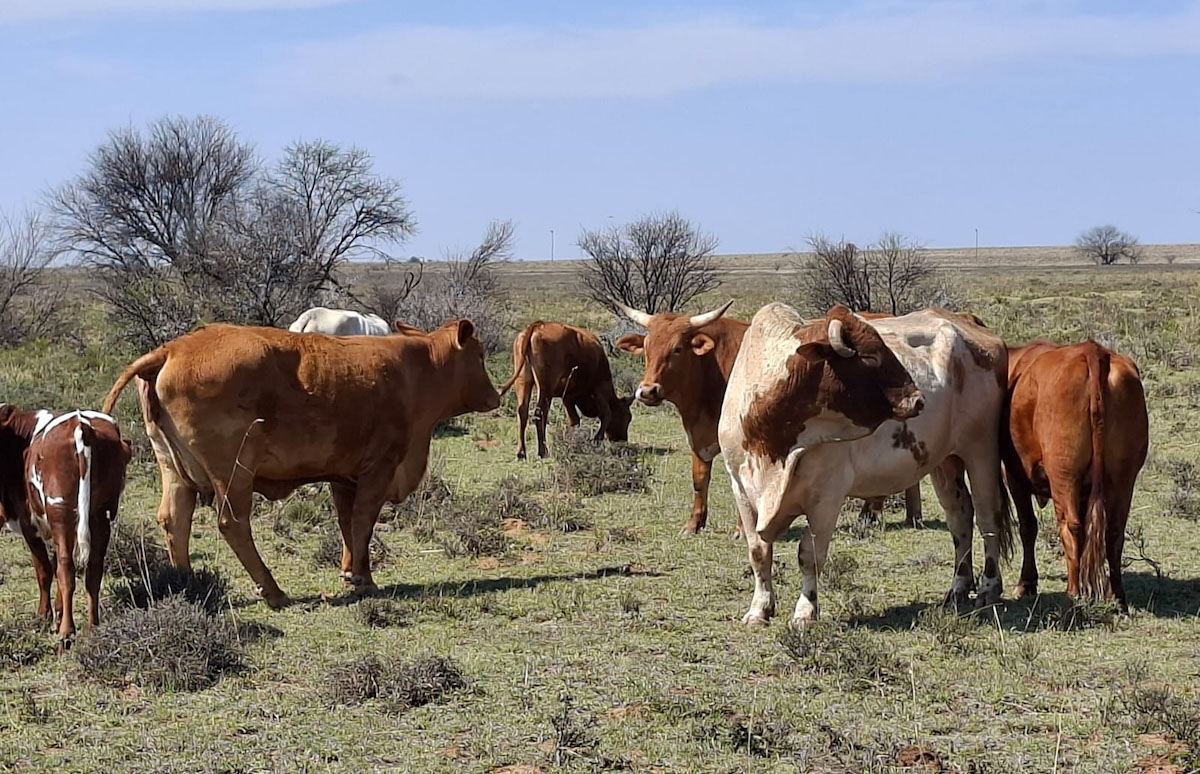
Building on these findings, the programme will focus on foundational work in the first year, incorporating training and priority infrastructure. Year two shifts toward productivity, through livestock recapitalisation, water infrastructure development and herd development. The final year moves into commercialisation, with market development, shared mechanisation and youth development, bringing the programme full circle.
“Mentorship sits at the heart of the early phases because it builds farmers’ capacity to put funding, infrastructure and other resources to effective use. It helps farmers translate training into practical action, avoid costly mistakes in areas such as production planning, pest management, record keeping and finances, and build confidence in their own decision-making — while also helping ensure future investment is well-targeted and productive,” explained Theka.
Small-scale farmers stand to play an important role in strengthening food security and creating employment in Boshof. By producing fresh, affordable food close to local communities, they can reduce reliance on food transported from elsewhere and help build a more resilient local food system. These farmers also support jobs across the wider agricultural value chain — from transport and processing to packaging, marketing and retail — while keeping agricultural income circulating within the local economy.
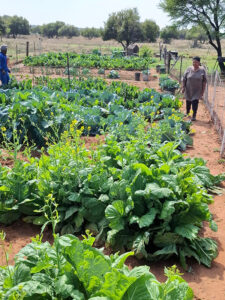
Hilary Ferris of Wag’n Biekiespan, who has 31 years’ experience farming livestock and crops in the Boshof community and employs seven local workers, welcomed the focus on infrastructure. “Having the proper infrastructure will create a strong foundation for the farm if I invest in it. It will increase livestock numbers and animal health. If I have the proper implements, I will be able to produce better crops,” she said. “I hope to develop my farming into a sustainable, productive and profitable business, increase my livestock numbers and the quality of my animals, and gain the knowledge and practical skills to manage my farm successfully. My goal is to employ more people from the local community.”
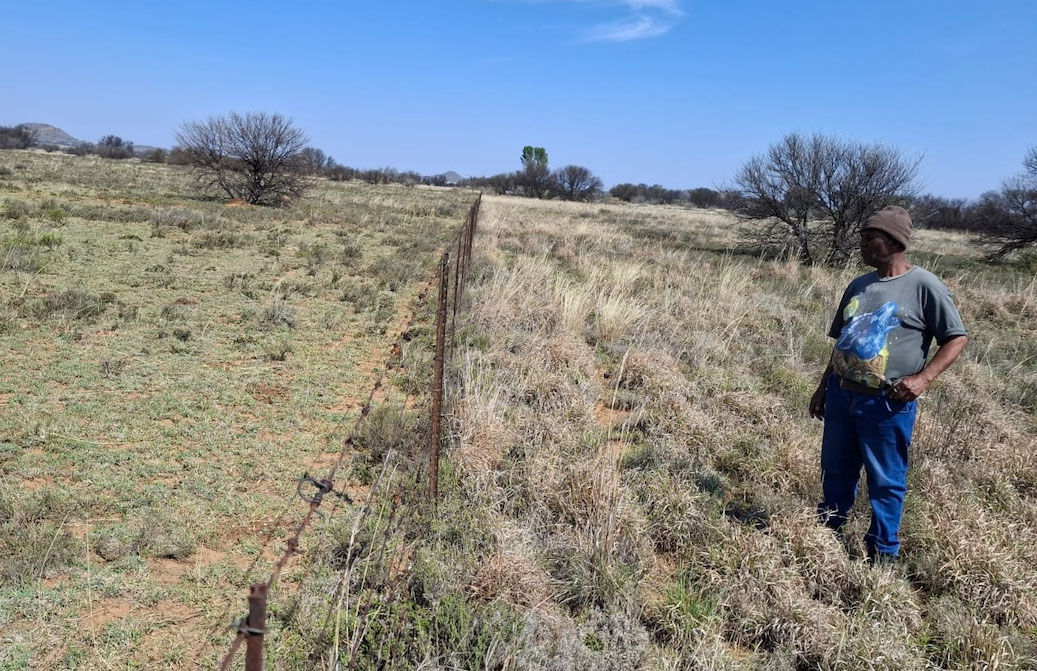
Another farming veteran in the area, Oupa Joseph Morake, said the infrastructure support is the aspect he is looking forward to most. “For the 17 years I have been farming, I have never been privileged enough to have any resources that can assist me to become a commercial farmer,” he said. “I hope to grow my farming business to a point where I can supply goods and food to retail companies and enter the international market.”